Study explores how muscle-derived stem cells may help fight infection and improve bone healing after fracture
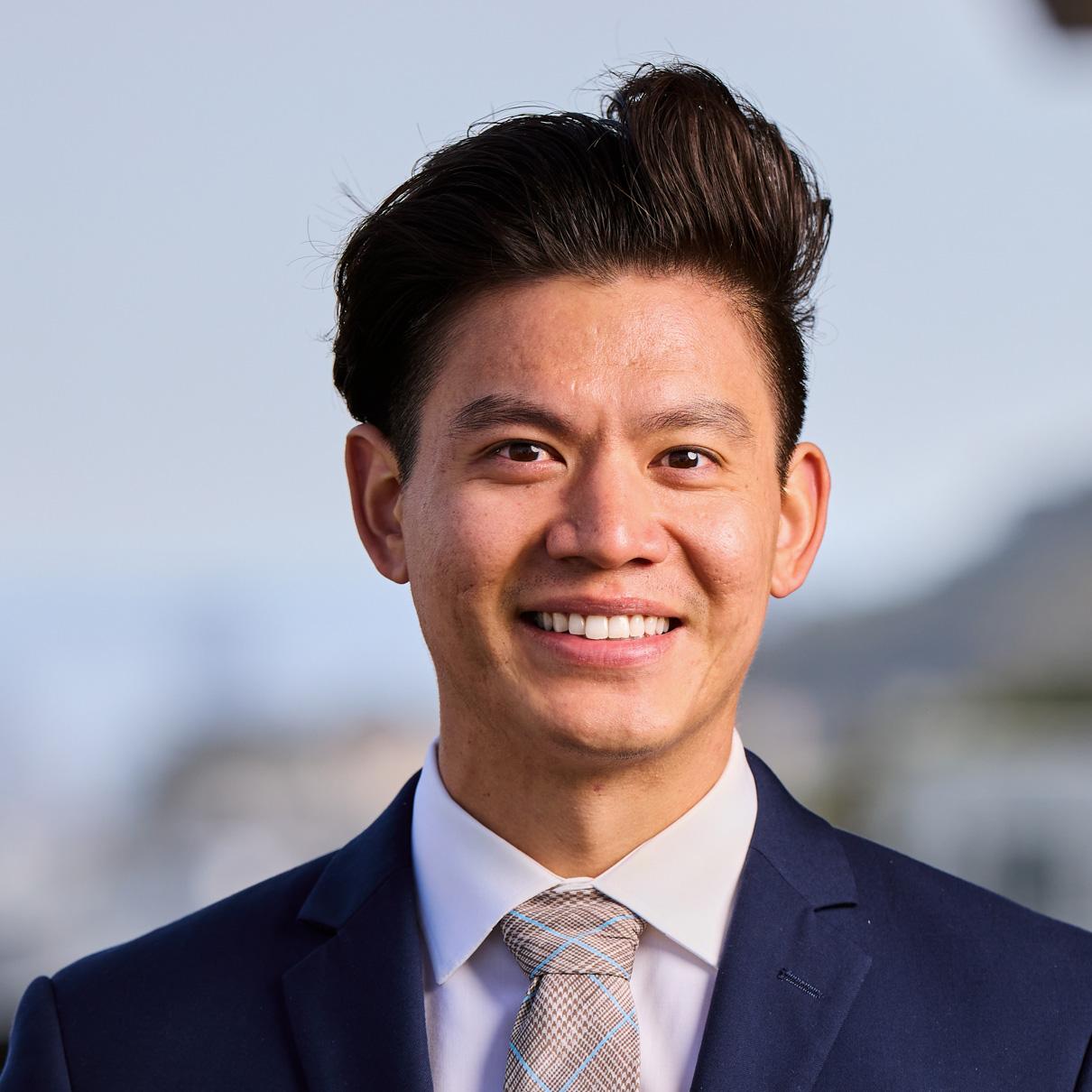
SAN FRANCISCO (Nov. 10, 2025) — The UCSF Department of Orthopaedic Surgery is pleased to announce that orthopaedic surgery resident, Dr. Kevin Liu, has been awarded a $20,000 Resident Research Grant from the Orthopaedic Trauma Association (OTA) to advance approaches for treating infections that occur after severe fractures.
Dr. Liu’s project, titled “Healing and Host Defense: Dual Functions of Fibroadipogenic Progenitors in Infected Fracture Repair,” investigates how a specialized group of muscle-residing cells, known as fibroadipogenic progenitors (FAPs), may play a key role in fighting infection and promoting bone healing after fracture.
“Fracture-related infection is one of the most challenging complications we face in orthopaedic trauma care,” said Dr. Chelsea Bahney, associate professor of orthopaedic surgery and director of the UCSF Laboratory for Regenerative Therapeutics. “Dr. Liu’s research has the potential to transform how we think about the body’s own capacity to fight infection and heal fractures. By uncovering how these muscle-derived stem cells contribute to immune defense and tissue repair, his work could open the door to entirely new therapeutic strategies that improve outcomes for patients around the world.”
Working under the mentorship of Dr. Bahney and Dr. Brian Feeley, Dr. Liu’s research explores why younger FAPs appear to help control bacterial growth, while older FAPs lose this protective ability. The goal is to understand how these cells interact with immune cells—particularly neutrophils, the body’s first responders to bacterial infection—to improve recovery for patients with fracture-related infections (FRIs).
Understanding the Problem
Fractures are among the most common injuries worldwide, and trauma care represents one of the largest healthcare costs in the United States. Each year, an estimated 178 million new fractures occur globally, with more than 445 million people living with complications from delayed or incomplete bone healing.
A major cause of poor recovery is fracture-related infection (FRI), which can affect up to 30 percent of open fractures. These infections are difficult to treat, often requiring multiple surgeries, hardware removal, and extended courses of antibiotics. Even with aggressive treatment, physicians struggle to determine when infection has fully cleared—and antibiotic resistance continues to rise.
“Traditional treatments are invasive and exhausting for patients,” said Dr. Bahney. “Our team is exploring a new direction—how to harness the body’s own repair cells to help fight infection and accelerate healing.”
A New Approach: Harnessing the Body’s Healing Cells
Human mesenchymal stem cells (MSCs) are well known for their role in regenerating tissue. Recent studies show that some MSCs also help the immune system fight infection by releasing antimicrobial peptides and signaling molecules that prevent bacterial growth and biofilm formation.
Fibroadipogenic progenitors (FAPs) are a specialized type of muscle-residing MSC that support bone and cartilage formation after injury. Preliminary research from Dr. Feeley’s lab suggests that FAPs express genes linked to antimicrobial and immune activity, allowing them to suppress bacteria such as Staphylococcus aureus.
“These early findings open up a completely new therapeutic possibility,” said Dr. Liu. “If we can understand how these cells change with age and learn to reactivate their antimicrobial potential, we may one day be able to use a patient’s own cells to prevent or treat infection after fracture.”
Collaborative Research Driving Innovation
Dr. Liu’s project is a collaboration between the Bahney Lab at the UCSF Orthopaedic Trauma Institute and the Feeley-Liu MITO Lab, led by Dr. Brian Feeley, professor of orthopaedic surgery. The research team also includes Dr. Xuhui Liu, Dr. Dustin Snapper, Aboubacar Wague, and Alex Youn.
“This is absolutely a team effort,” said Dr. Liu. “We’re excited to explore how these muscle-derived cells could lead to new cell-based therapies that both fight infection and speed bone healing.”
The OTA Resident Research Grant supports early-career physician-scientists pursuing innovative projects that advance the field of orthopaedic trauma care.
“At UCSF, our mission is to translate scientific innovation into better outcomes for our patients,” said Dr. C. Benjamin Ma, chair of the UCSF Department of Orthopaedic Surgery. “Dr. Liu’s project is a great example of how early-career physician-scientists, working with exceptional mentors, can uncover new ways to accelerate healing and reduce complications for those recovering from traumatic injury.”
###