|
Image
|
Image
|
Image
|
|---|
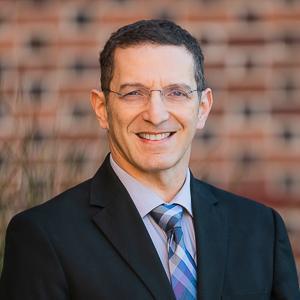
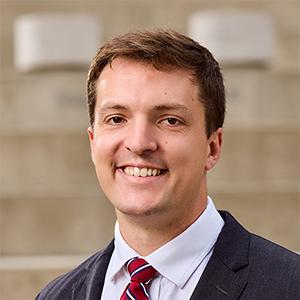
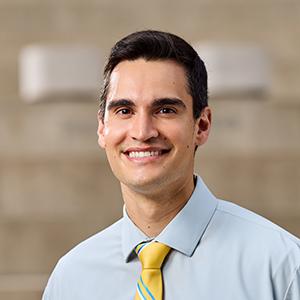
From left to right: Meir Marmor, MD; Ryan Halvorson, MD; Michael Flores, MD, UCSF Department of Orthopaedic Surgery, recognized at the DOCSF OREF Best Papers Awards.
Two UCSF studies on AI and wearable technology were recognized for research with potential to reshape prediction and recovery in orthopaedic care.
SAN FRANCISCO (April 28, 2026) — Two UCSF Orthopaedic Surgery studies exploring the frontiers of artificial intelligence and wearable technology were honored with the inaugural DOCSF–OREF Best Papers Awards, highlighting emerging approaches that could reshape how surgeons predict and manage patient outcomes.
The awards were presented at DOCSF, the Department of Orthopaedic Surgery’s annual Digital Orthopaedics Conference San Francisco, a global meeting focused on innovation in orthopaedic surgery and digital health, in partnership with the Orthopaedic Research and Education Foundation (OREF), a national organization supporting orthopaedic research and education. Together, the awards recognize work that bridges clinical practice with data-driven innovation. A UCSF orthopaedics resident also received Best Poster recognition. The winning studies reflect a broader shift in the field toward predictive, real-time models of care.
Wearable Technology Study
One of the award-winning papers, “Exploring the Potential of a Smart Ring to Predict Postoperative Pain Outcomes in Orthopedic Surgery Patients,” led by Meir Marmor, MD, examined whether continuous physiologic data from a wearable device could forecast postoperative pain trajectories. Using metrics including heart rate variability, sleep patterns, and activity levels collected from a smart ring, the study suggests recovery patterns may be anticipated—and potentially better managed—through daily biometric signals rather than episodic clinical assessments.
Natural Language Processing Study
The second paper, “Predicting Patients Who Will Have Eventual Rotator Cuff Surgery Based on Natural Language Processing of Shoulder MRI Reports,” led by resident Ryan Halvorson, MD, and faculty mentor Drew Lansdown, MD, used natural language processing to analyze radiology reports and identify patients most likely to progress to surgical repair. The findings point to a potential use for routinely generated clinical text data in improving prognostication and supporting earlier intervention, particularly in primary care and general orthopaedic settings.
“This work reflects where the field is going—toward tools that help us see patterns we can’t reliably detect on our own,” said Stefano Bini, MD, founder of DOCSF and Chief Technology Officer in the UCSF Department of Orthopaedic Surgery, who presented the awards. “AI and wearable technologies are beginning to change how we understand recovery, risk, and decision-making.”
Best Poster Recognition
UCSF Orthopaedic Surgery resident Michael Flores, MD, received Best Poster recognition for “Fusion-Specific Modeling of Age-Frailty Interactions to Predict Mortality After Hip Fracture Surgery,” which examined how frailty and age interact to influence postoperative survival risk.
The awards were presented during DOCSF25, held October 3, 2025, in San Francisco. The annual conference convenes surgeons, engineers, investors, and digital health leaders to explore the intersection of orthopaedics and technology, including artificial intelligence in clinical workflows, automation in the operating room, surgical robotics, and emerging “physical AI” systems. Organizers said the breadth of work reflects a field in rapid transition.
“The quality of research presented demonstrates the incredible potential of digital health to improve patient outcomes,” Bini said. “These papers show how AI and wearable technology can transform the way we predict and manage both surgical and postoperative pathways.”